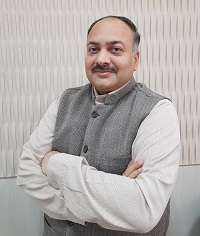

Head of Transition Finance Research Oxford Sustainable Finance Group, University of Oxford

Speaker
Prof. Gireesh Shrimali
Head of Transition Finance Research
Oxford Sustainable Finance Group, University of Oxford
Prof. Gireesh Shrimali is the Head of Transition Finance Research at the Oxford Sustainable Finance Group, University of Oxford, where he leads work on advancing the role of finance in enabling a credible and equitable transition to a net-zero economy. He also serves as the Technical Lead in the Secretariat for the UK Transition Plan Taskforce, established by HM Treasury in 2022.
In addition, Prof. Shrimali is a Visiting Scholar at both the Center for Climate Finance and Investment at Imperial College London and the Singapore Green Finance Center at Singapore Management University. He previously served as Director of the India Program at the Climate Policy Initiative, and as a Research Fellow with the Sustainable Finance Initiative and the Steyer-Taylor Center for Energy Policy and Finance at Stanford University. His academic experience includes teaching at Johns Hopkins University, Middlebury Institute of International Studies, the Indian School of Business, and the Indian Institute of Management.
Prof. Shrimali’s research explores renewable-energy finance and policy, the catalytic role of capital in achieving net zero, and pathways for mobilizing long-term, low-cost finance for clean-energy transitions. His work also covers ESG and climate-finance issues, including climate-risk measurement and management, net-zero transition strategies, transition bonds, and Scope 3 emissions. His research has provided policy-relevant insights into areas such as India’s renewable-energy policies, U.S. federal and state-level policy impacts on clean-energy deployment, and sustainable business models for off-grid energy in developing economies.
Prof. Shrimali holds a Ph.D. from Stanford University, an M.S. from the University of Minnesota, Minneapolis, and a B.Tech from the Indian Institute of Technology, New Delhi. Before his academic career, he spent over nine years in the technology industry, designing high-speed networking and computing systems.
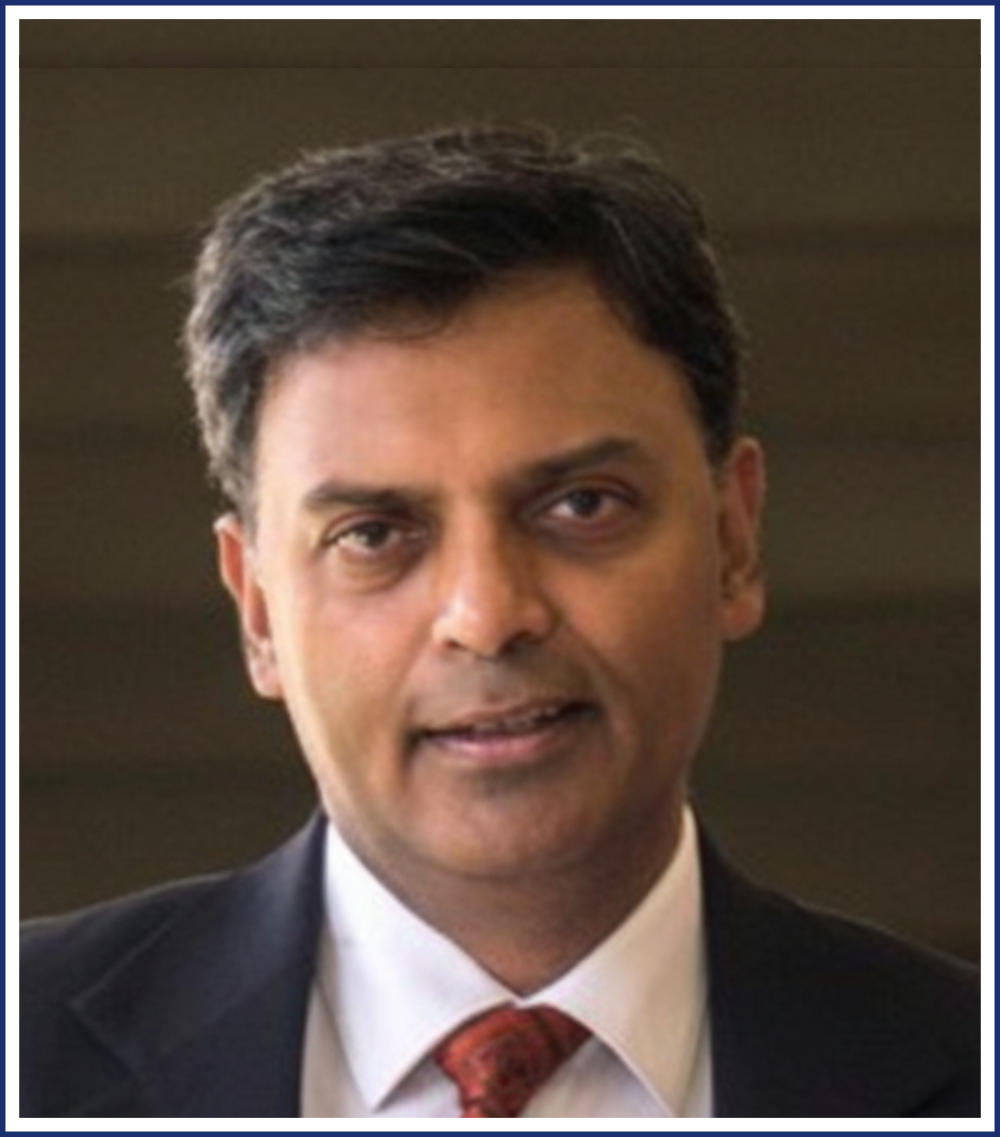
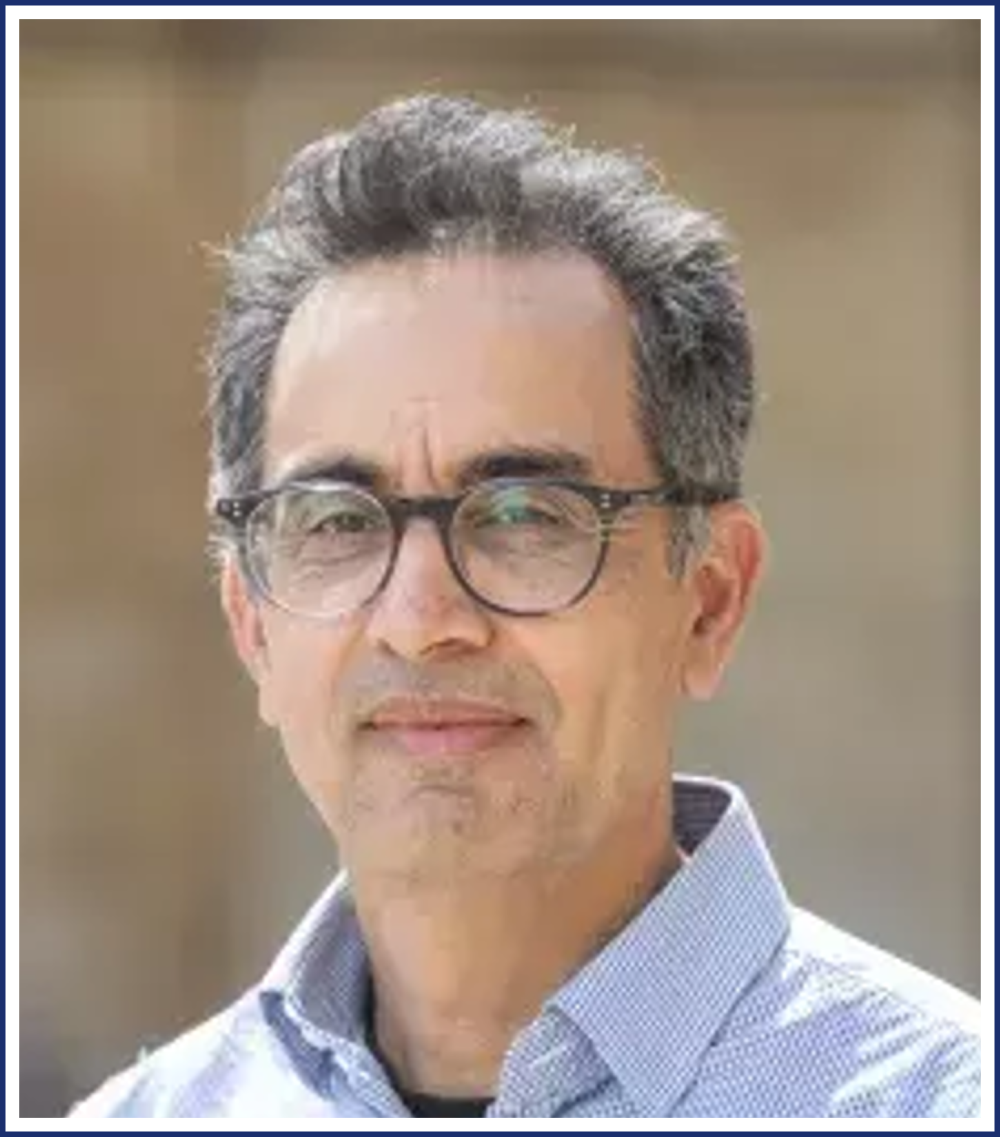
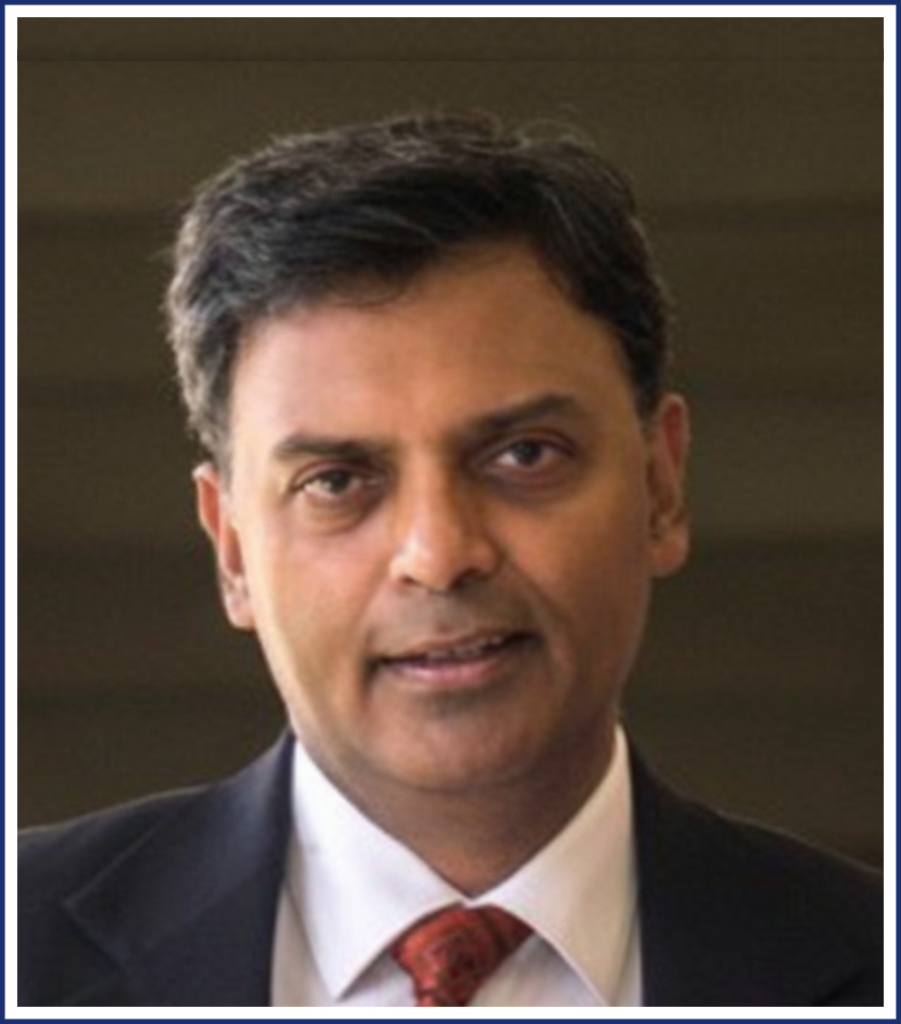
Additional Chief Secretary, New & Renewable Energy Department, Government of Madhya Pradesh
Speaker
Shri Manu Srivastava
IAS
Additional Chief Secretary, New & Renewable Energy Department, Government of Madhya Pradesh
Shri Manu Srivastava, an accomplished Indian Administrative Service officer of the 1991 batch, is widely regarded for his leadership in designing and delivering pioneering renewable energy initiatives in India. With B.Tech. and M.Tech. degrees in Electrical Engineering from IIT Delhi and over three decades in public service—including 15 years dedicated to the energy sector—he has been at the forefront of India’s clean energy transformation.
He is best known as the principal architect of the 750 MW Rewa Ultra Mega Solar Project, a defining milestone in India’s solar journey. As the first project in the country to break grid-parity, Rewa set new benchmarks for tariff reduction and sectoral innovation. It remains the only solar project in India supplying power to an institutional customer, enabling the Delhi Metro to run on clean energy. Rewa’s impact has been recognized globally, earning the World Bank Group’s President’s Award for Innovation and Excellence and inclusion as a case study at Harvard University and Singapore Management University.
Shri Srivastava has also introduced a groundbreaking zero-investment model for rooftop solar, enabling public institutions to adopt solar power with no upfront cost and benefiting from long-term savings. This model, along with the Rewa project, was recognized by the Capacity Building Commission, Government of India, as one of the top 15 “Innovations in Public Administration.” His rooftop solar initiatives have consistently achieved some of the lowest tariffs in the country, and he is presently collaborating with NITI Aayog to expand these solutions across health institutions nationwide.
Before his contributions to renewable energy, he played a key role in enabling 24x7 power supply in Madhya Pradesh and previously served in the Government of India, overseeing the natural gas sector. Through his visionary approach and technical grounding, Shri Manu Srivastava continues to shape India’s renewable energy landscape and drive transformative change at scale.

Panelist
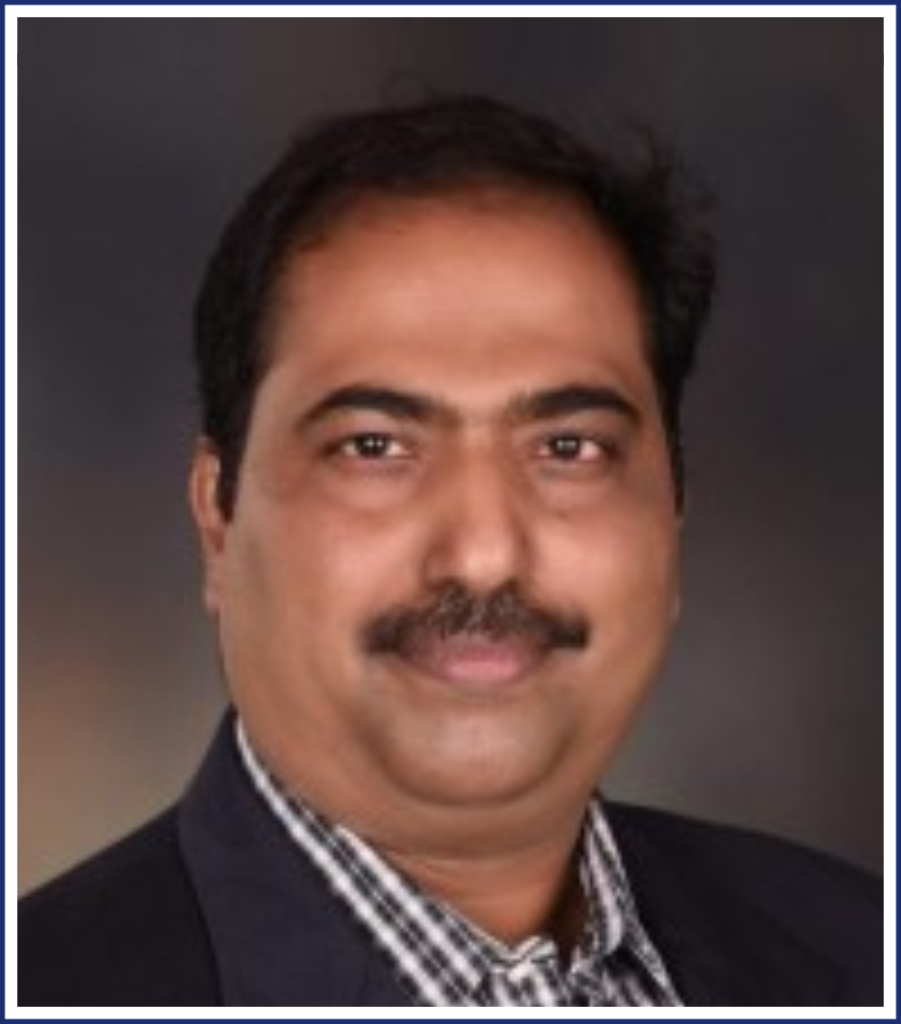
Mr. Avnish Kumar
Mr. Avnish Kumar is the Founder and CEO of LivNSense GreenOps Private Limited, a Bengaluru-based climate-tech company enabling heavy industries to transition toward low-carbon, energy-efficient operations through advanced AI, IoT, and digital-twin technologies. With over 25 years of experience across engineering, IT, advanced analytics, and industrial transformation, Avnish blends deep technical expertise with strategic leadership to address one of the most urgent global challenges: industrial decarbonization. A graduate of NIT Durgapur with an MBA from the University of Melbourne, he has built LivNSense around a clear mission — to help “hard-to-abate” sectors such as cement, metals, petrochemicals, and infrastructure drastically reduce greenhouse-gas emissions while improving process efficiencies and operational profitability. His flagship platform, GreenOps, uses real-time data, soft sensors, and AI-driven predictive analytics to optimize energy use, monitor emissions, and guide industrial clients along a measurable, science-based path to sustainability.
Under Avnish’s leadership, LivNSense has developed more than 165 proprietary AI models and secured USD 2.75 million in pre-Series A funding to accelerate its impact in global markets. The company has been recognized by leading sustainability, manufacturing, and climate-tech forums for its innovative approach to real-time emission monitoring, energy optimization, and ESG-compliant industrial performance. Avnish’s work offers a compelling demonstration that decarbonization and profitability are not competing priorities but mutually reinforcing outcomes when supported by intelligent data-driven systems. As a speaker, he brings a powerful perspective on the future of sustainable industrial transformation, showcasing how India can lead the Green Transition by modernizing legacy industries through AI-enabled innovation, digital twins, and next-generation climate-tech solutions. His vision positions LivNSense as a key enabler of cleaner, smarter, and more resilient industrial ecosystems for a low-carbon future.


Panelist
Mr. Tanmay Pandya
Tanmay Pandya is the Founder and Director of Brisil Technologies Pvt. Ltd., a Gujarat-based cleantech enterprise that has emerged as a national leader in sustainable materials innovation. A Chemical Engineer from IIT-BHU, Tanmay has dedicated his career to converting India’s environmental challenges into pathways for green industrial transformation. At Brisil, he pioneered a patented process that transforms rice husk ash—one of the country’s most abundant agricultural wastes—into high-performance precipitated silica, a key raw material used in tyres, rubber, paints, plastics, FMCG and oral care products. By replacing traditional mining and energy-intensive chemical production with a low-carbon, waste-to-value technology, Tanmay’s work reduces emissions, prevents open-field waste burning and establishes a circular, resource-efficient supply chain. His innovation exemplifies how deep-tech entrepreneurship can drive the green transition in core industrial sectors, connecting rural waste ecosystems with high-tech manufacturing and demonstrating how sustainability and commercial scalability can coexist.
Under Tanmay’s leadership, Brisil has achieved significant milestones, including the successful commercialisation of its patented technology, recognition by leading incubators and sustainability platforms, and partnerships with major industrial consumers seeking greener alternatives. The company has also secured competitive funding for its technology development, expanded its production capacity, and positioned itself as India’s first and only manufacturer of eco-friendly precipitated silica from rice husk ash. Tanmay’s work has been featured in national innovation and cleantech forums, reinforcing his reputation as a pioneering voice in sustainable materials, circular economy strategies and next-generation green manufacturing. His journey stands as a powerful example of how science-driven innovation can accelerate India’s shift toward a low-carbon economy, making him an impactful speaker on the theme of ‘Innovations for Green Transition.’
Panelist
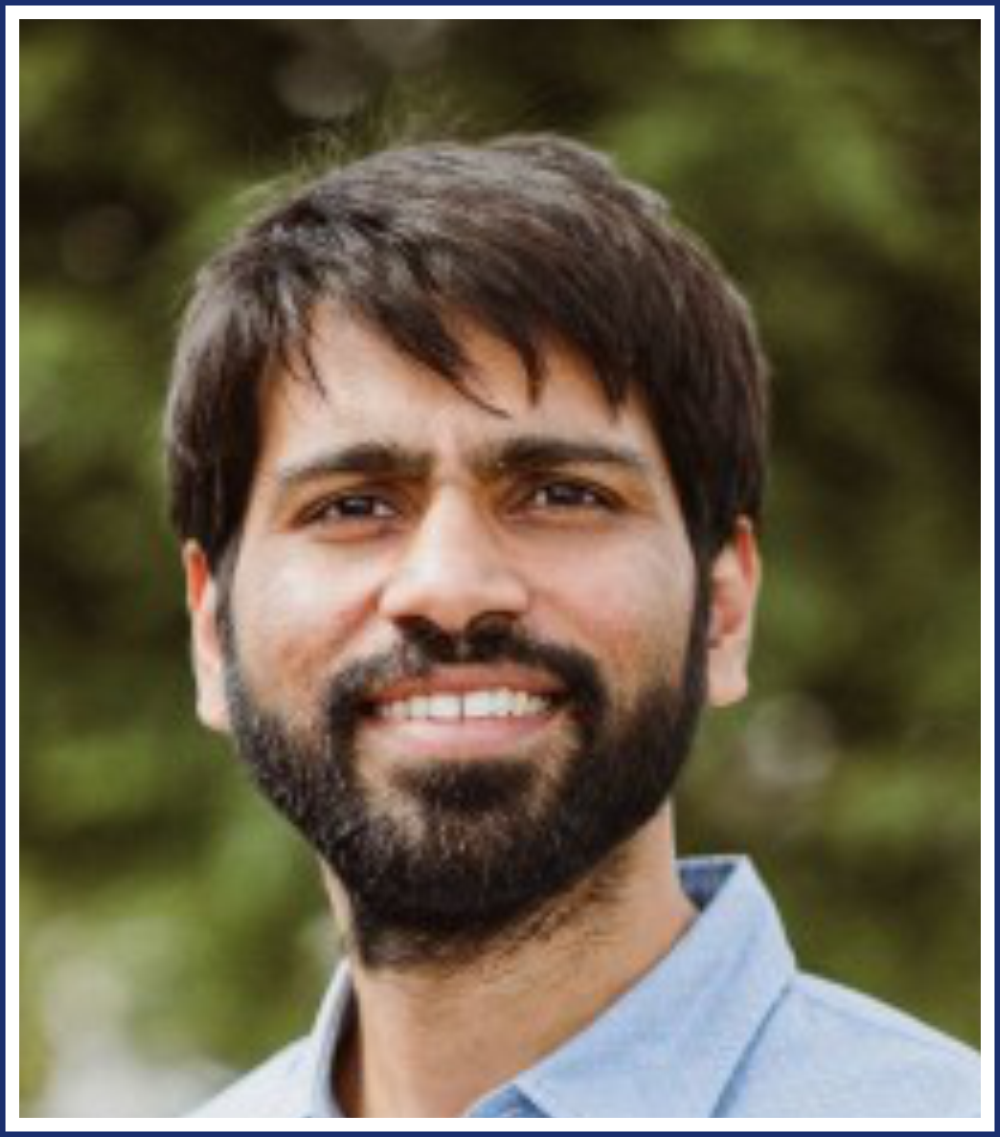
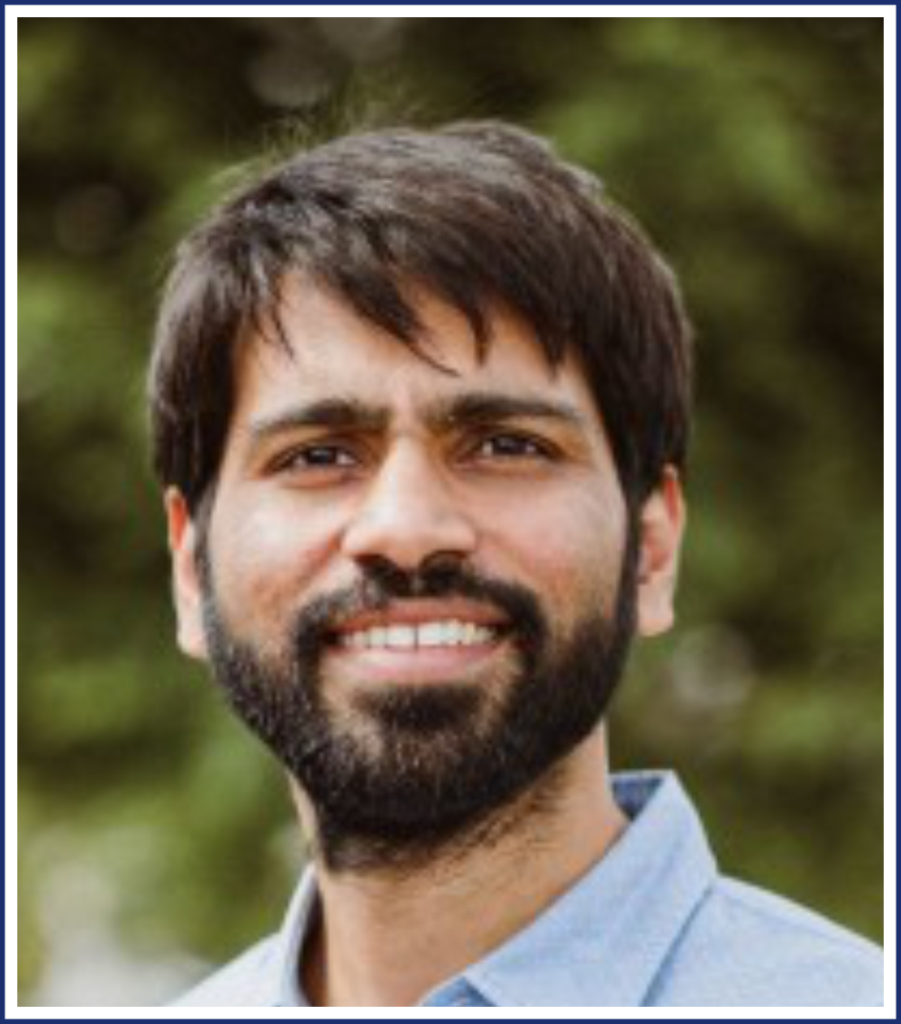
Dr. Akshay Jain
Dr. Akshay Jain is the Co-Founder and CEO of Cancrie, a pioneering cleantech company transforming agricultural waste into advanced carbon nanomaterials for next-generation energy storage. With a PhD in Chemical Engineering from the National University of Singapore (NUS), where he specialised in material innovation and sustainable chemical processes, Dr Jain has spent more than a decade developing technologies that lie at the intersection of circular economy, nanotechnology, and clean energy. His work is guided by a central belief that the waste streams of today can become the high-performance materials of tomorrow — an idea he has successfully turned into a commercially viable reality through Cancrie.
Founded in 2020, Cancrie uses a patented process to convert coconut shells — one of India’s most abundant and underutilised agricultural byproducts — into ultra-pure nanocarbon that enhances the performance of lithium-ion batteries, sodium-ion batteries, supercapacitors, and other energy-storage devices. Traditionally, the energy-storage industry relies heavily on carbon blacks and synthetic graphites derived from fossil fuels, both carbon-intensive and environmentally damaging materials. Dr Jain’s innovation replaces these with bio-derived carbon that not only reduces greenhouse-gas emissions but also improves energy efficiency, charge acceptance, and battery lifespan. Studies and industry pilots have shown that Cancrie’s nanocarbon can increase energy-storage capacity by up to 125%, significantly extend battery cycle life, and reduce overall material cost — a breakthrough that has attracted global attention from battery manufacturers, EV-ecosystem developers, and sustainability leaders.
Under Dr Jain’s leadership, Cancrie is rapidly becoming a frontrunner in India’s green-materials revolution. The startup has been featured by YourStory, Inc42, The Better India, and multiple energy-tech platforms and has collaborated with leading industrial partners to test and integrate its material into commercial battery systems. His work directly supports national and global goals for clean energy, particularly in the context of electric mobility, grid storage, renewable integration, and decarbonisation of industrial supply chains. By delivering a high-value material derived entirely from waste, Dr Jain demonstrates how indigenous innovation can contribute to the world’s growing demand for sustainable, high-performance energy solutions.
Beyond his entrepreneurial role, Dr Akshay Jain is a passionate advocate for responsible innovation and materials that enable the Green Transition. His insights span sustainable material design, circular manufacturing, waste-valorisation, nanotechnology, and the future of energy storage in a low-carbon world. He is known for his ability to translate deep technical research into accessible, strategic, and impactful conversations — making him a powerful voice in discussions on how India can lead the next era of climate-driven industrial transformation.